Paternity Testing
Where Your DNA Tells the Story of You
What is a Paternity Test?
A paternity test is a genetic analysis used to determine whether a male individual is the biological father of a child. This is achieved by comparing specific regions of DNA between the alleged father and the child.
Explore Our DNA Testing Services
DNA Paternity Testing
DNA paternity testing is a genetic analysis used to determine whether a man is the biological father of a child.
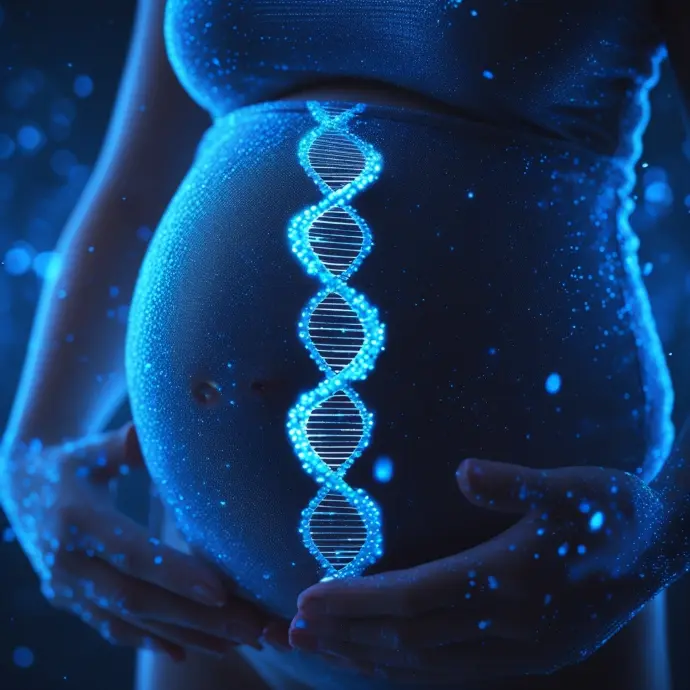
Prenatal DNA paternity testing
Prenatal DNA paternity testing is a non-invasive genetic test performed during pregnancy to determine if a man is the biological father of the unborn child.
Legal DNA paternity testing
Legal DNA paternity testing is a certified genetic test used to legally establish whether a man is the biological father of a child, with results admissible in court or official proceedings.
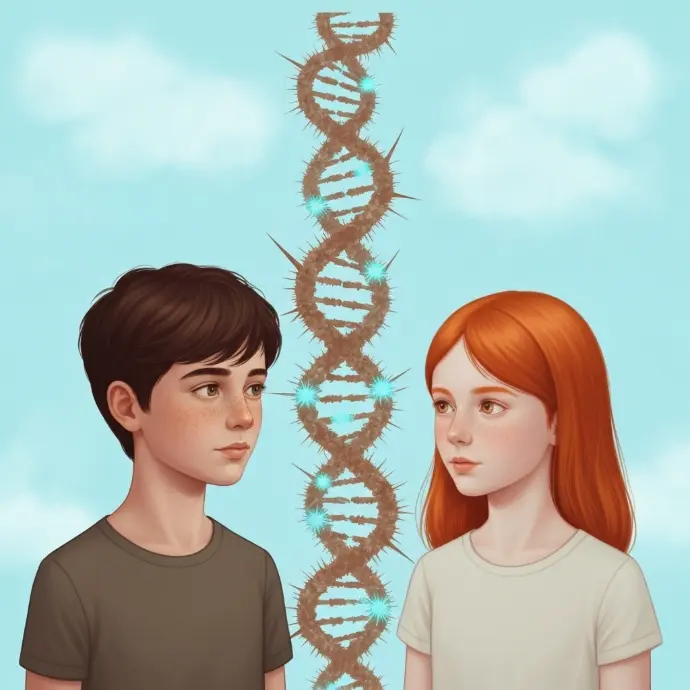
Full- or Half-siblingship Testing
Full- or half-siblingship DNA testing is a genetic analysis used to determine whether two individuals share both biological parents (full siblings) or only one (half-siblings).
Aunt or Uncle Analysis
Aunt or Uncle Analysis is a DNA test used to determine if a person is the biological aunt or uncle of a child by analyzing shared genetic markers.
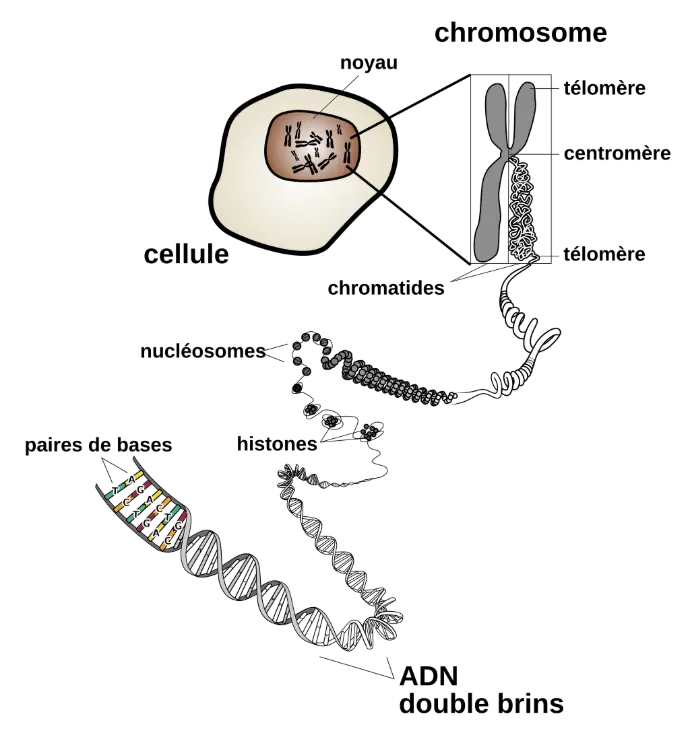
Grand-parentage testing
Grand-parentage testing is a DNA analysis used to determine whether an individual is the biological grandparent of a child.
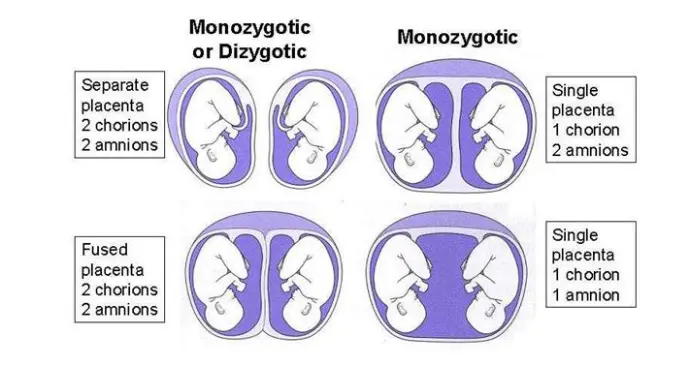
Twin zygosity DNA analysis
Twin zygosity DNA analysis is a genetic test that determines whether twins are identical (monozygotic) or fraternal (dizygotic).
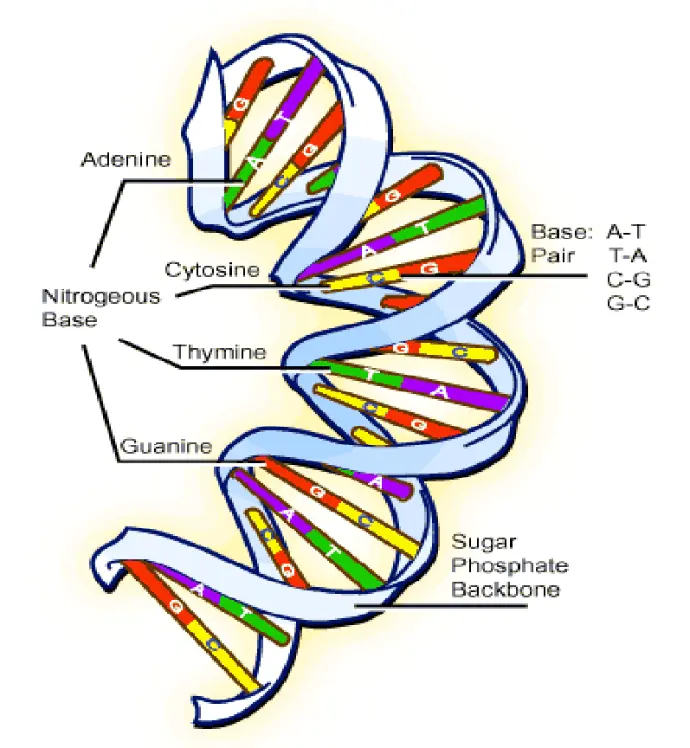
DNA Banking / Identification
DNA banking and identification is the process of securely collecting, analyzing, and storing an individual's DNA for future identity verification or genetic reference.
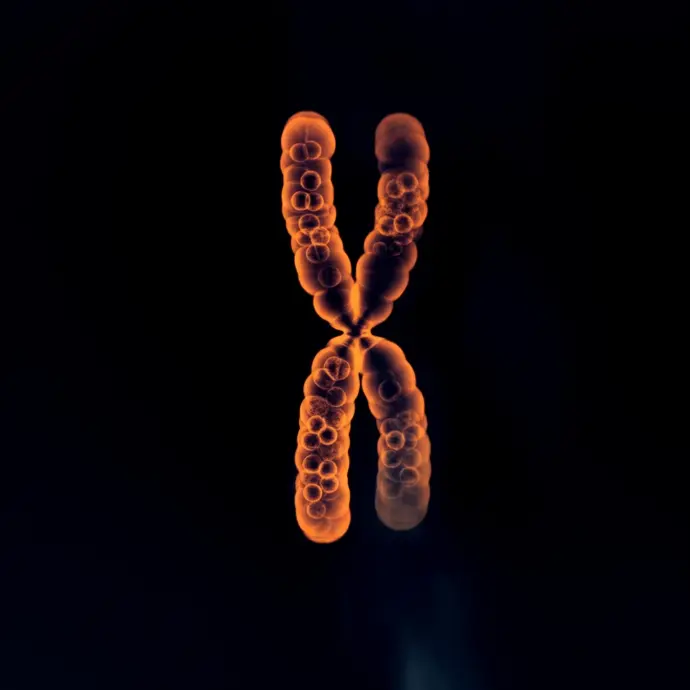
Y-Chromosome 26 STR Study
Y-Chromosome 26 STR Study is a paternal lineage DNA test that analyzes 26 short tandem repeat markers on the Y chromosome to trace male ancestry and verify biological relationships between males.
DNAdetective applications
DNAdetective applications refer to specialized DNA testing methods used to analyze biological evidence (like hair or stains) to identify individuals or determine biological relationships in complex or discreet cases.
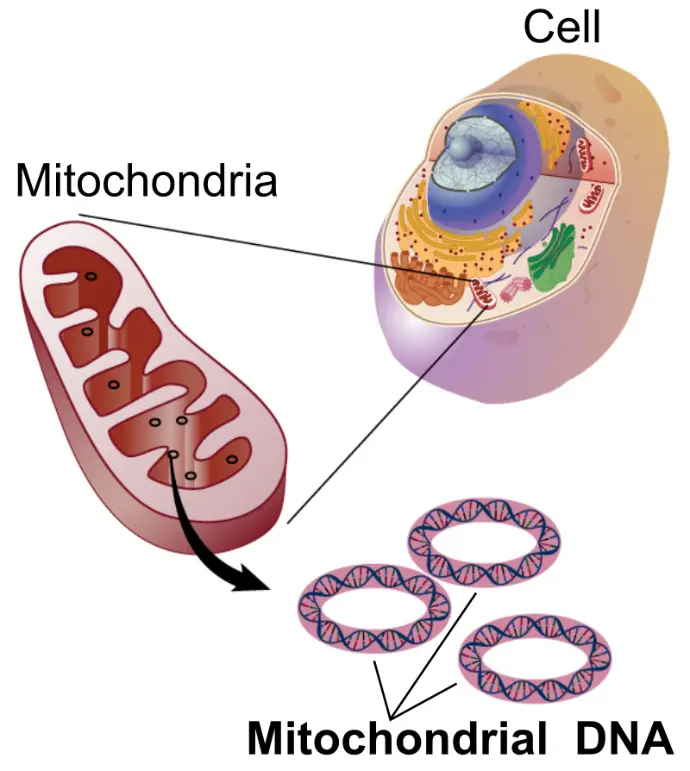
mtDNA Sequence Analysis
mtDNA sequence analysis is a genetic test that examines mitochondrial DNA to trace maternal ancestry and verify biological relationships through the maternal line.
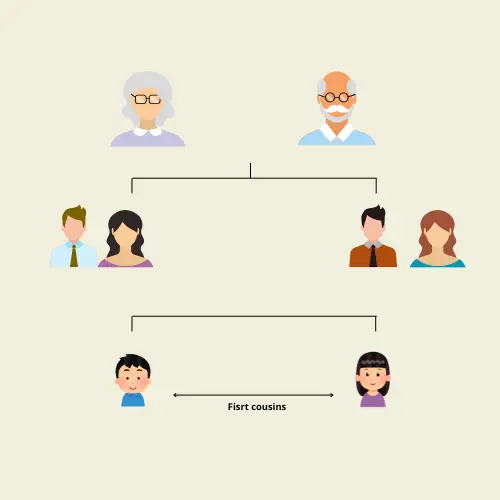
1st cousinship testing
1st cousinship testing is a DNA analysis used to determine whether two individuals share a set of common grandparents, indicating a biological first cousin relationship.
The Scientific Basis
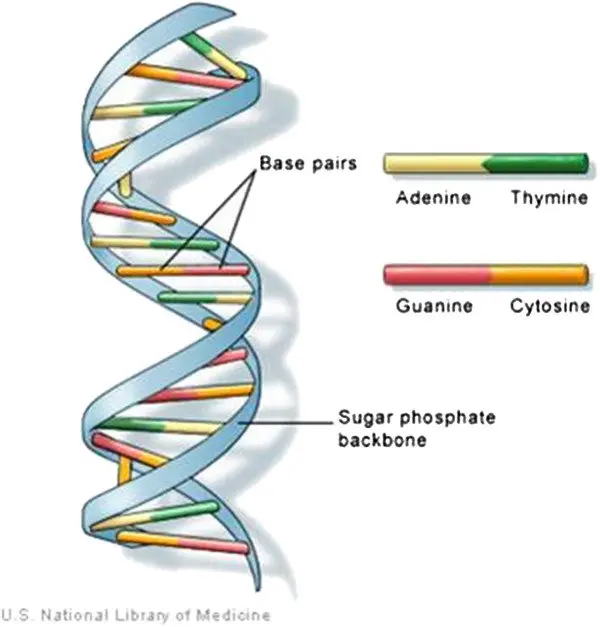
Human DNA is inherited in equal parts from both biological parents. Each individual carries genetic markers that can be analyzed and compared across individuals.
Paternity testing typically focuses on Short Tandem Repeats (STRs) highly variable regions in the genome. By analyzing multiple STR loci, scientists can assess whether the genetic profile of a child is consistent with that of the alleged father.Read more
Methodology
-
Sample Collection
DNA is commonly obtained from buccal (cheek) swabs, which provide epithelial cells rich in genetic material. -
DNA Extraction
Genetic material is isolated from collected cells using standardized laboratory protocols. -
PCR Amplification
Specific DNA regions (STR loci) are amplified using the Polymerase Chain Reaction to generate sufficient material for analysis. -
Genetic Analysis
Amplified DNA fragments are separated and detected, generating a genetic profile for each individual. -
Comparison & Interpretation
The child’s DNA profile is compared to that of the alleged father to evaluate allele matching across loci.
Enzymes Used in DNA Testing:
These enzymes are essential for cutting, amplifying, and copying DNA in molecular diagnostics:
Taq DNA Polymerase The main enzyme used in PCR to replicate DNA segments.
Restriction Enzymes (EcoRI, HindIII) Sometimes used in forensic analysis or digestion profiles.
DNA Ligase Occasionally used in advanced recombinant DNA processes.
Reverse Transcriptase Used for RNA to DNA conversion in special applications.
Exonucleases / Endonucleases Used in mtDNA cleanup or high-fidelity applications.

DNA Testing Equipment:
- Thermal Cycler (PCR Machine)
- Capillary Electrophoresis System
- DNA Sequencer
- Spectrophotometer
- Fluorometer
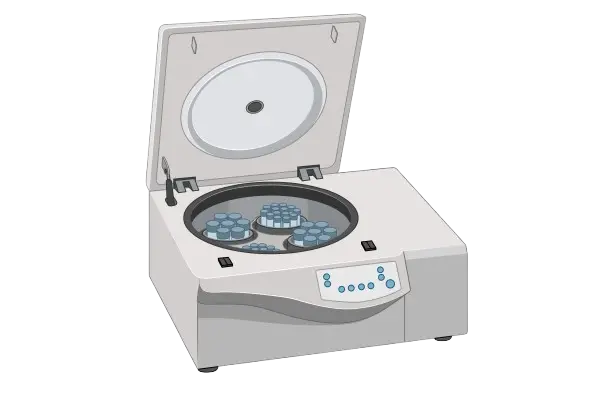
- Centrifuge
- Laminar Flow Hood
- Vortex Mixer
- Gel Electrophoresis Equipment