In the age of genetic exploration, ancestry DNA testing has emerged as one of the most fascinating ways to explore your past. With just a simple sample, you can uncover centuries of history, discover your ethnic roots, connect with long-lost relatives, and even gain insights into inherited health traits. But how exactly does it work, and what can you truly learn from it?
This comprehensive guide covers everything you need to know about ancestry DNA tests, from how they work and what to expect, to choosing the right service and interpreting your results.
What is an Ancestry DNA Test?
An ancestry DNA test is a genetic test that analyzes your DNA to reveal your ethnic background, familial connections, and sometimes inherited traits. Unlike traditional genealogical research, which relies on historical documents, DNA testing explores your genetic code the blueprint of your biological makeup to uncover insights that go back hundreds or even thousands of years.
Key Features of Ancestry DNA Tests:
Saliva or cheek swab sample collection
Genetic analysis at thousands of markers
Comparison with global reference populations
Ethnicity estimates and lineage reports
Connection to potential relatives
How Does an Ancestry DNA Test Work?
Understanding the process behind ancestry DNA tests can help you appreciate the depth and accuracy of the results. Here’s a step-by-step breakdown:
1. Sample Collection
Most ancestry DNA tests use a saliva sample or cheek swab. The process is simple, non-invasive, and can be done in the comfort of your home.
2. DNA Extraction
The sample is sent to a certified laboratory, where technicians extract the DNA from your cells. This DNA contains millions of markers that carry the information about your ancestry and traits.
3. Genotyping
The laboratory focuses on specific genetic markers, called Single Nucleotide Polymorphisms (SNPs). These markers are variations in your DNA that help determine your ethnic background and potential family connections.
4. Comparison with Reference Populations
Your genetic profile is compared against large global databases containing DNA samples from different ethnic groups and regions. This comparison allows companies to estimate your ethnic composition and trace your ancestral roots.
5. Report Generation
Finally, the company generates a detailed report showing:
Ethnicity percentages
Potential relatives who share DNA segments with you
Migration patterns of your ancestors
Haplogroups for maternal and paternal lineages
Types of Ancestry DNA Tests
Different companies offer varying levels of depth and insights. Understanding the types of tests available helps you choose the right one for your goals.
1. Autosomal DNA Tests
Autosomal tests examine all chromosomes (except sex chromosomes) inherited from both parents. This type is the most common and provides a broad view of your ancestry across all ancestral lines.
2. Y-DNA Tests
Y-DNA tests trace the paternal line and are only available for biological males. These tests can trace your surname lineage and ancient male ancestors.
3. mtDNA Tests
Mitochondrial DNA (mtDNA) tests trace your maternal line and can reveal information about your female ancestors, going back thousands of years.
4. Combined Testing
Some companies provide combined autosomal, Y-DNA, and mtDNA testing for the most comprehensive ancestry insights.
Benefits of Ancestry DNA Testing
An ancestry DNA test offers much more than curiosity it provides tangible benefits that connect you with your past and present.
1. Discover Your Ethnic Roots
Most people are surprised to learn about the wide range of ethnic backgrounds revealed through DNA testing. You can uncover hidden ancestries, like Scandinavian, African, Asian, or Indigenous heritage.
2. Connect with Relatives
By matching your DNA with others in the database, you can find relatives you never knew existed siblings, cousins, or even distant ancestors.
3. Learn About Migration Patterns
DNA tests can show you how your ancestors migrated over centuries, connecting you to historical events and cultural traditions.
4. Genetic Health Insights
Some ancestry DNA services also provide health reports, highlighting potential genetic predispositions, carrier status for certain diseases, and wellness traits.
5. Build Your Family Tree
DNA testing combined with genealogical research allows you to create a more complete family tree, connecting documented records with genetic evidence.
Understanding Your Ancestry DNA Results
Once your DNA is analyzed, interpreting your results is key to understanding your heritage. Typical components of a report include:
1. Ethnicity Estimate
Your ancestry is broken down into percentages representing regions or ethnic groups.
2. Genetic Matches
You may find distant or close relatives who share segments of DNA with you.
3. Migration Patterns
Many reports include maps showing the historical migration of your ancestors.
4. Haplogroups
Haplogroups trace ancient maternal and paternal lineages, helping you understand your deep ancestral roots.
Tip: Keep in mind that results may change over time as databases expand.
How to Choose the Right Ancestry DNA Test
Selecting the best test depends on your goals, budget, and privacy concerns:
Database Size: Larger databases increase your chances of finding relatives.
Focus Areas: Decide if you want ancestry only, health insights, or both.
Cost: Prices range from basic ancestry reports to comprehensive packages.
Privacy Policies: Ensure the company protects your genetic data.
The Future of Ancestry DNA Testing
As technology advances, ancestry DNA testing is expected to become more precise, with larger databases and better insights into ancient migrations, genetic health, and even personality traits linked to genetics. Integration with AI and advanced algorithms will allow for deeper connections between your DNA, historical records, and living relatives, making ancestry research richer than ever.
Your DNA, Your Story
An ancestry DNA test is more than just a curiosity it is a key to understanding your identity, heritage, and family history. With a simple test, you can explore your ethnic origins, connect with relatives, and uncover the story your genes have been telling for centuries.
Take the first step today and embark on a journey to discover the rich tapestry of your ancestry through a reliable DNA test.
Suggested Products for Genetic Workflows
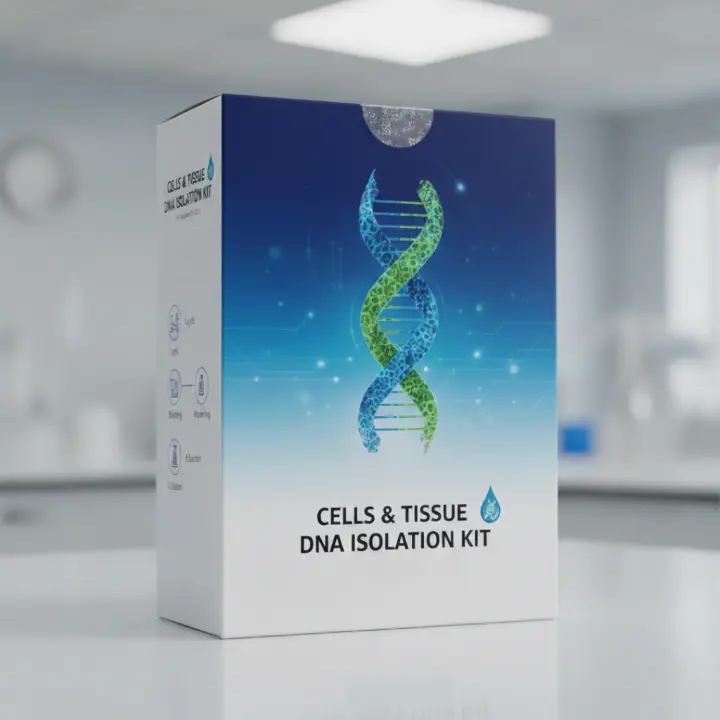
Cells and Tissue DNA Isolation Kit: A versatile kit for extracting high‑quality genomic DNA from cultured cells and tissue, fully compatible with PCR, qPCR, and genotyping applications.
FFPE Tissue DNA Extraction Micro Kit: Designed to extract DNA from formalin‑fixed, paraffin‑embedded tissue samples, useful for certain research or retrospective studies.
G‑spin Total DNA Extraction Mini Kit: A compact DNA extraction kit suitable for purifying genomic DNA from a variety of sample types prior to downstream analysis.
DirectPCR Lysis Reagent (Cell): A rapid cell lysis reagent that releases genomic DNA directly compatible with PCR genotyping workflows.