Explore CRISPR technology, the revolutionary gene editing tool changing biotechnology, medicine, agriculture, and synthetic biology. Learn applications, mechanisms, advantages, ethical concerns, and future innovations.
Introduction to CRISPR Technology
CRISPR technology, short for Clustered Regularly Interspaced Short Palindromic Repeats, is a breakthrough in genetic engineering and molecular biology. It allows scientists to edit, remove, or insert genes in organisms with unprecedented precision.
Initially discovered as a bacterial immune defense mechanism, CRISPR allows bacteria to recognize and destroy viral DNA. Researchers adapted this natural system for gene editing, leading to applications in medicine, agriculture, synthetic biology, and beyond.
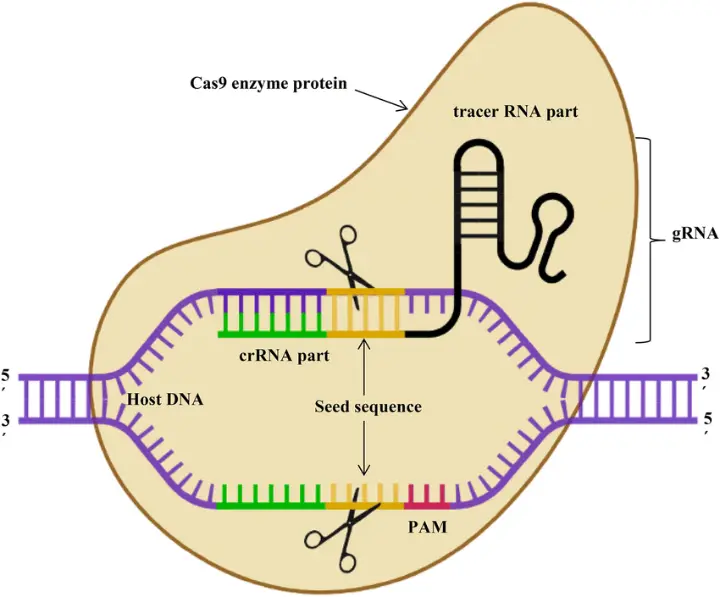
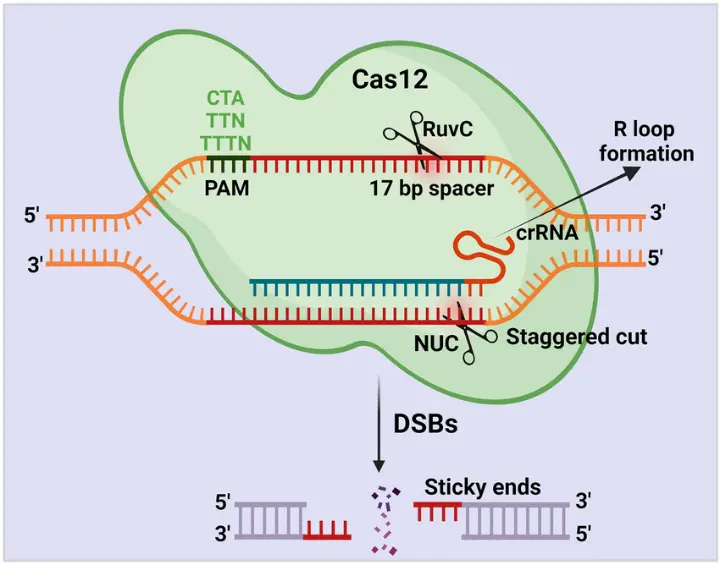
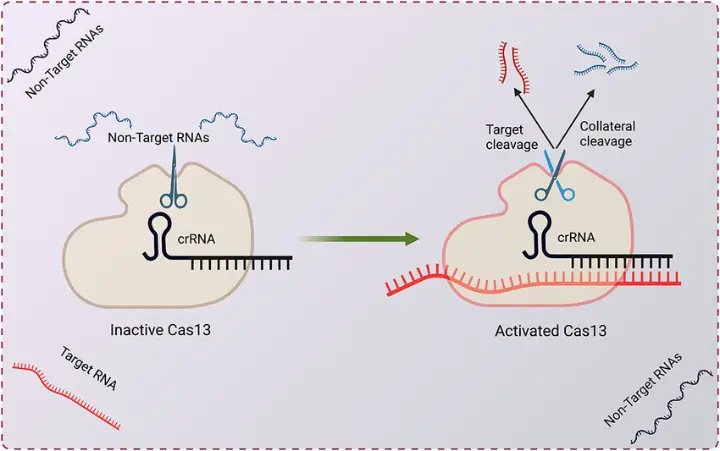
The most widely known system is CRISPR-Cas9, where Cas9 is an enzyme acting as molecular scissors, cutting DNA at targeted sites. Other CRISPR systems, such as Cas12 and Cas13, expand applications to RNA editing and diagnostic tools.
How CRISPR Technology Works
CRISPR technology relies on two main components:
Guide RNA (gRNA): A short RNA sequence designed to match the target DNA.
Cas9 Enzyme: A molecular tool that cuts DNA at the site indicated by the gRNA.
Step-by-Step Process:
Recognition: The gRNA identifies the specific DNA sequence.
Cutting: Cas9 introduces a double-strand break at the target site.
Repair: The cell repairs the break naturally using either:
Non-Homologous End Joining (NHEJ): Often introduces small insertions or deletions.
Homology-Directed Repair (HDR): Allows precise insertion or correction using a DNA template.
This mechanism enables scientists to knock out genes, correct mutations, or insert new sequences, opening new frontiers in genetic research.
Types of CRISPR Systems
CRISPR-Cas9: The most common system, used for DNA editing in multiple organisms.
CRISPR-Cas12: Cuts single-stranded DNA; useful in diagnostics.
CRISPR-Cas13: Targets RNA molecules; used in RNA-based therapies and virus detection.
Prime Editing: A next-generation system enabling highly precise editing without double-strand breaks.
Base Editing: Allows single-base modifications, reducing off-target effects.
Applications of CRISPR Technology
1. CRISPR in Medicine
CRISPR has shown immense potential in treating genetic disorders:
Sickle Cell Anemia: CRISPR can correct the mutation in hematopoietic stem cells.
Cystic Fibrosis: Gene correction therapies are in development to restore normal CFTR function.
Muscular Dystrophy: CRISPR enables targeted correction of the DMD gene in muscle tissue.
It is also applied in cancer research, where CRISPR is used to:
Study cancer-related genes.
Engineer immune cells for targeted therapy.
Develop personalized cancer treatments.
2. CRISPR in Agriculture
CRISPR enables genetically improved crops:
Disease Resistance: Crops resistant to fungi, viruses, or bacteria.
Enhanced Nutrition: Biofortification of crops with vitamins and minerals.
Climate Resilience: Editing genes to withstand drought, heat, or soil salinity.
Examples include:
CRISPR-edited tomatoes with longer shelf life.
Rice with improved yield and disease resistance.
3. CRISPR in Biotechnology
CRISPR is used in synthetic biology, microbial engineering, and protein modification:
Engineering microorganisms for biofuel production.
Designing enzymes for industrial applications.
Developing diagnostic tools for infectious diseases.
4. CRISPR for Research
CRISPR is transforming research in genomics and drug discovery:
Functional Genomics: Study gene roles in health and disease.
Disease Models: Create accurate models for human diseases.
Advantages of CRISPR Technology
High Precision: Targeted gene modification.
Cost-Effective: Cheaper than older gene-editing techniques like TALENs and ZFNs.
Versatility: Works in plants, animals, bacteria, and humans.
Speed: Rapid generation of gene-edited organisms.
Scalability: Adaptable for large-scale research and commercial use.
The Future of CRISPR Technology
Next-generation CRISPR systems, like prime editing and base editing, promise:
Greater precision.
Fewer side effects.
Broader applications in medicine, agriculture, and biotechnology.
Potential future breakthroughs:
Curing inherited diseases.
Enhancing crop resilience for climate change.
Creating new bio-manufacturing methods.
CRISPR is poised to redefine biotechnology, medicine, and genetic research, making once-impossible tasks achievable.
Conclusion
CRISPR technology has transformed genetic engineering, offering revolutionary opportunities in medicine, agriculture, and biotechnology. Through ethical governance, continuous research, and innovative applications, CRISPR promises to reshape the future of gene editing, making extraordinary scientific possibilities achievable.